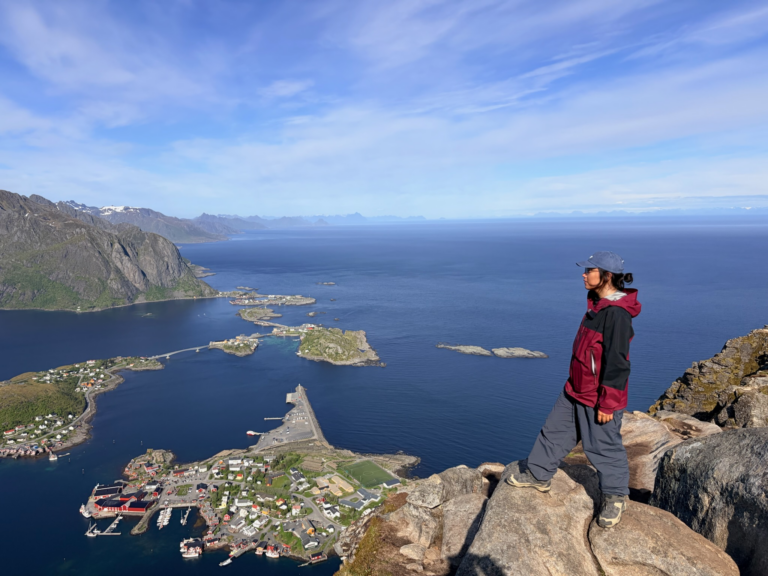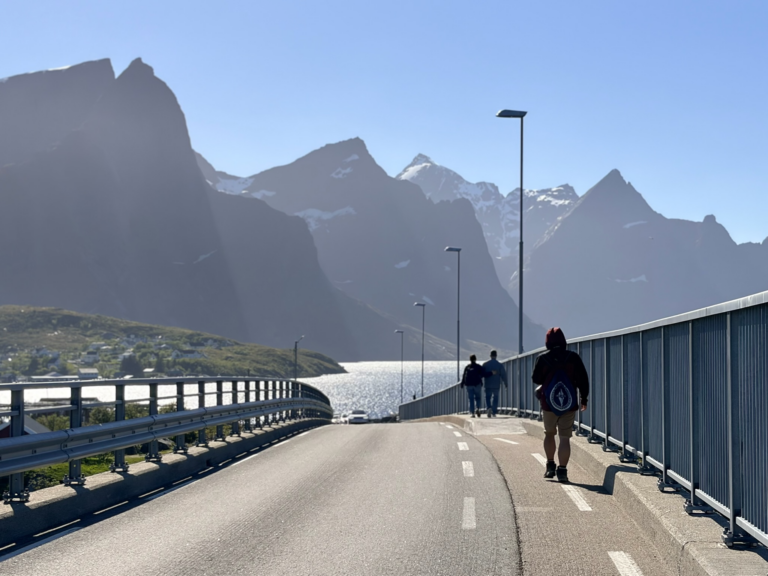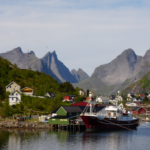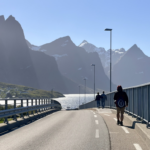

The Lofoten Islands are hailed as Norway's most dreamlike wonderland, but the high cost of living here often intimidates travelers.
This time, we actually completed a 9-day, 8-night non-driving itinerary, moving exclusively via buses and our own two feet. By splitting our stay across "three accommodation bases," we stretched our budget to the absolute limit!
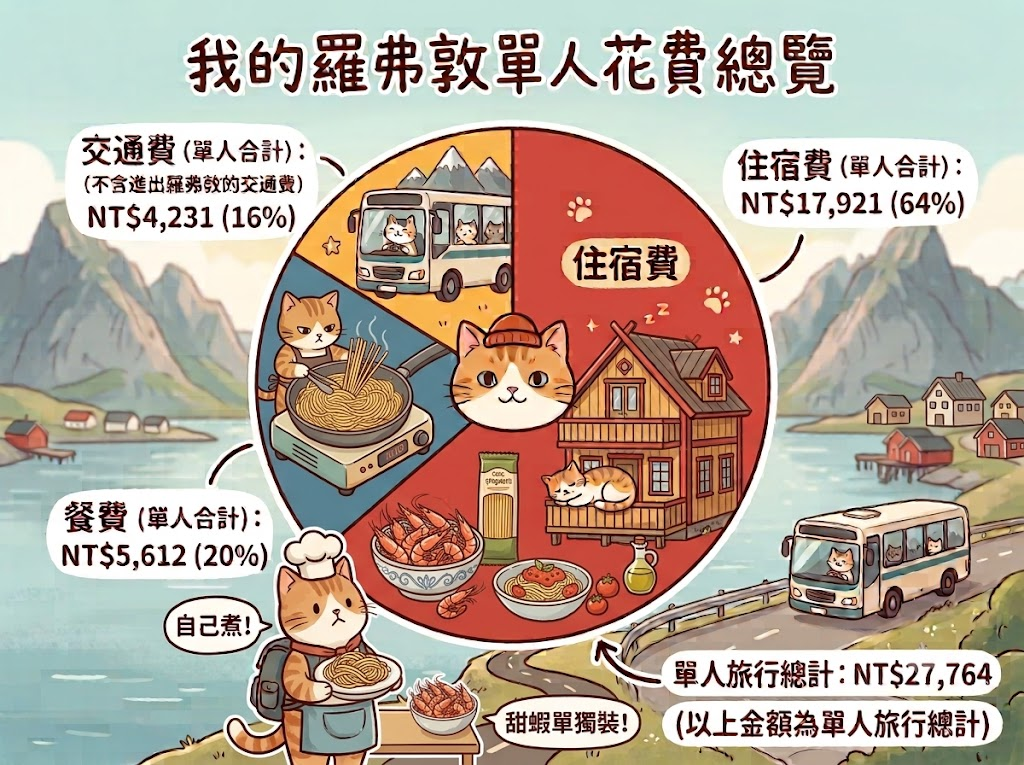
👉 Final total cost per capita: Around 27,764 TWD per person (includes on-island transportation, lodging, and meals; excludes transit to and from Lofoten).
🧭 Lofoten 自由行快速導航
💰 想先了解預算? 9天8夜不自駕真實花費|人均3萬台幣有找
💳 Expense Summary
Travel styles vary from person to person. For us, we wanted to allocate as much time and budget as possible to Lofoten's stunning natural landscapes.
Consequently, we adopted the most down-to-earth, money-saving formula: "buying ingredients at supermarkets to cook our own meals + riding public buses + staying in Airbnbs."
⚠️ Core Premise Reminder: To be completely honest, the prices in Lofoten are terrifying—swiping your credit card genuinely hurts! All amounts listed in the text and charts below are in New Taiwan Dollars (TWD).
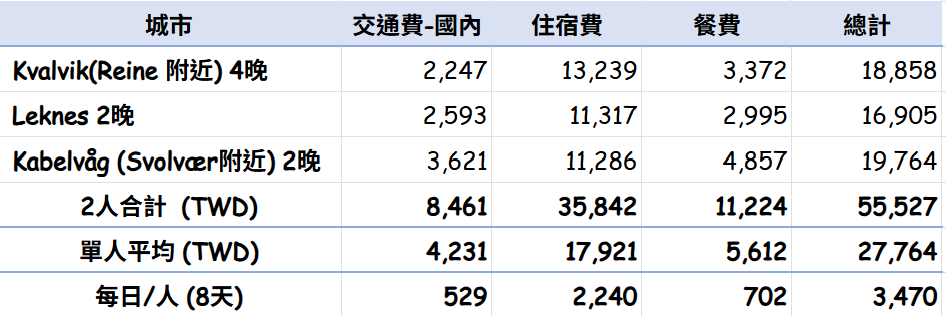
🏠 Lodging: Airbnb double room (shared kitchen and bathroom)
🍽️ Meals: Dined out only once in Svolvær over the nine days; all other meals were home-cooked using supermarket ingredients.
🚃交通: 🚃 Transportation: Entirely via buses and on foot.
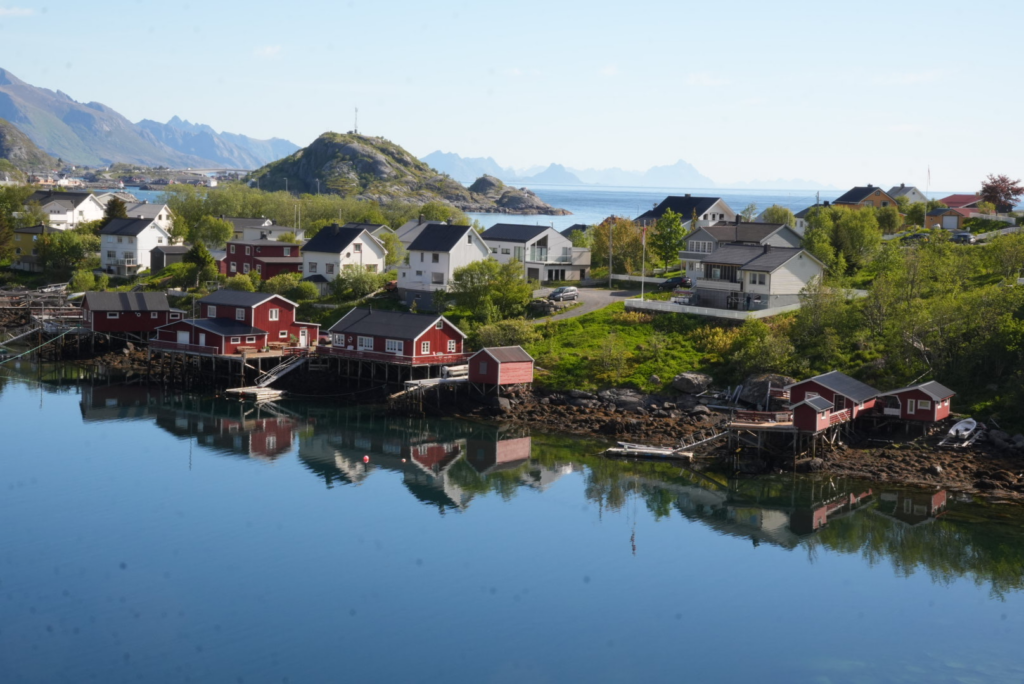
🚌 Lofoten Transportation: REIS Bus Single Tickets vs. 7-Day Travel Pass
In the Lofoten Islands, all public bus transportation is operated by the company REIS (Reis Nordland). Therefore, you must download the REIS app to purchase tickets! Buying on board from the driver is more expensive—it requires a surcharge of 20 NOK (approximately 60 TWD)!
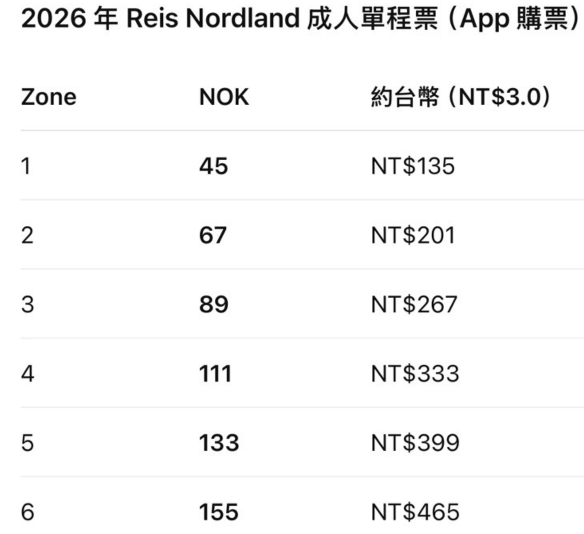
For bus fares, you can choose between single-trip tickets and a 7-day unlimited travel pass.
Why didn't we buy the 7-day pass (Travel Pass Nordland) despite staying long enough?
Because bus frequencies are very, very, very low! The timetables are fundamentally not designed with tourists in mind.
Furthermore, by 2026, the price has surged to 1,990 NOK (~6,400 TWD), making it incredibly difficult to break even on a 7-day pass. 😭
Who is it suitable for? 🍽️ Those who value convenience over cost and don't mind the price.
😺 I suggest using the Reis app to calculate the cumulative total of individual single fares before you depart; once you do the math yourself, you'll see why 😆.
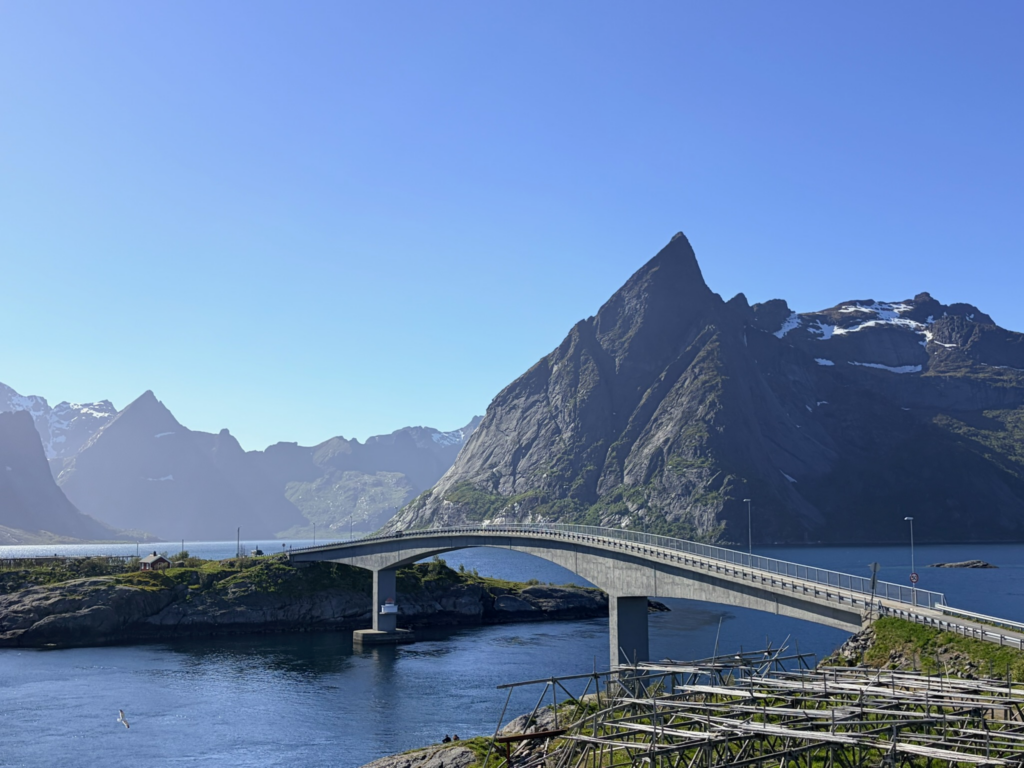
🏠 Lodging for Non-Drivers: Three Key Selection Criteria
We skipped experiencing Lofoten's waterfront fishing cabins (Rorbuer), also colloquially referred to as "Luo-Bo" huts.We strictly selected the cheapest Airbnb double rooms that met the following three criteria:
- Near an E10 highway bus stop: The E10 is the transport lifeline of Lofoten, with major bus routes running along this main artery. Being closer to a stop means less walking after stepping off.
- Within walking distance of a local supermarket: Low bus frequencies prevent long-distance grocery errands. Since dining out in Lofoten is extremely expensive, supermarkets are your lifeline.
- Must feature a fully equipped kitchen: Needless to say, this is the key to controlling your budget.
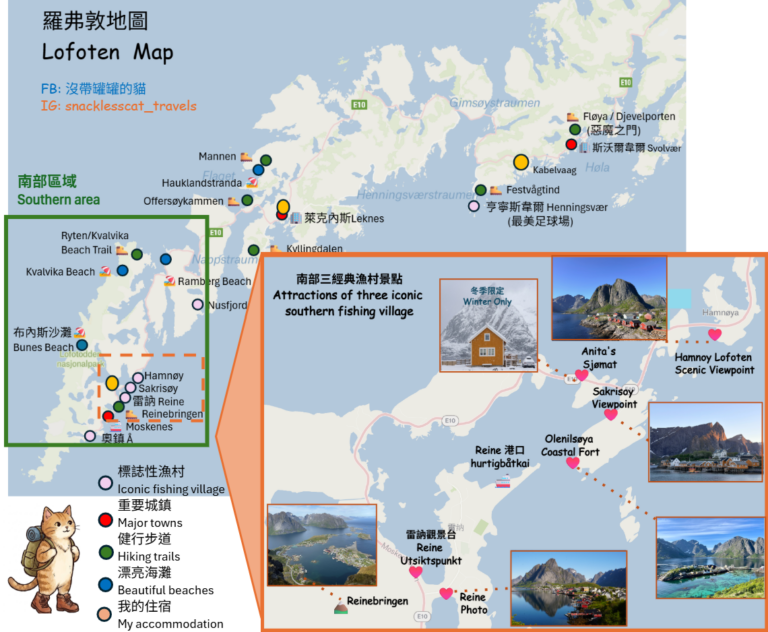
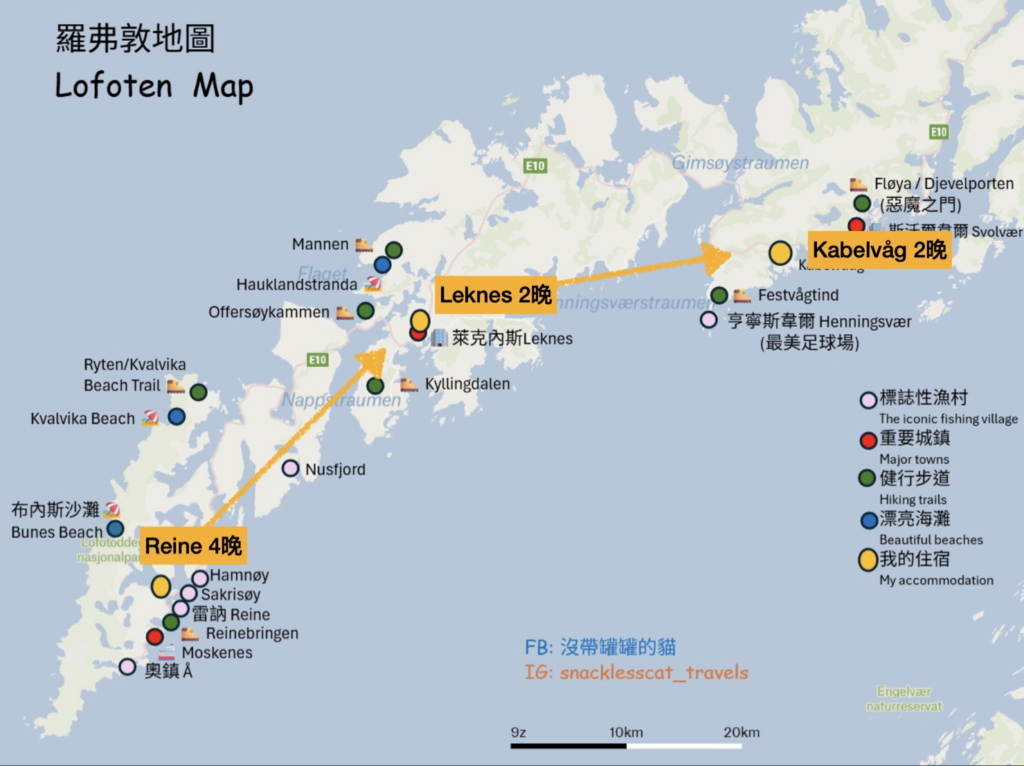
Lofoten is long and narrow from north to south, so we established one base each in the Northern, Central, and Southern regions.
| Base Location | Stay Details | Cost Per Night |
|---|---|---|
| Kvalvik (Near Reine) 4 nights | Bunk Beds + Shared Kitchen & Bath | TWD 3,310 |
| Leknes 2 nights | Double Room + Shared Kitchen & Bath | TWD 5,660 |
| Kabelvåg (near Svolvær附近) 2 nights | Double Room + Private Kitchen & Living Room | TWD 5,640 |
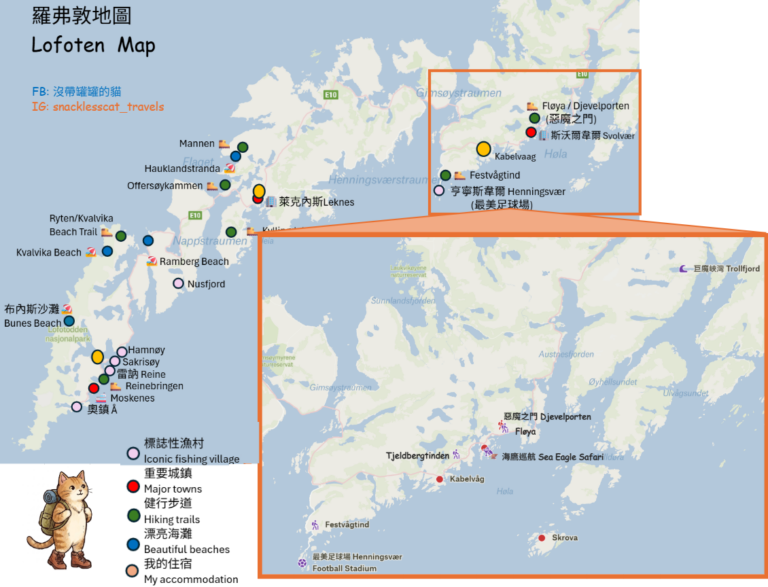
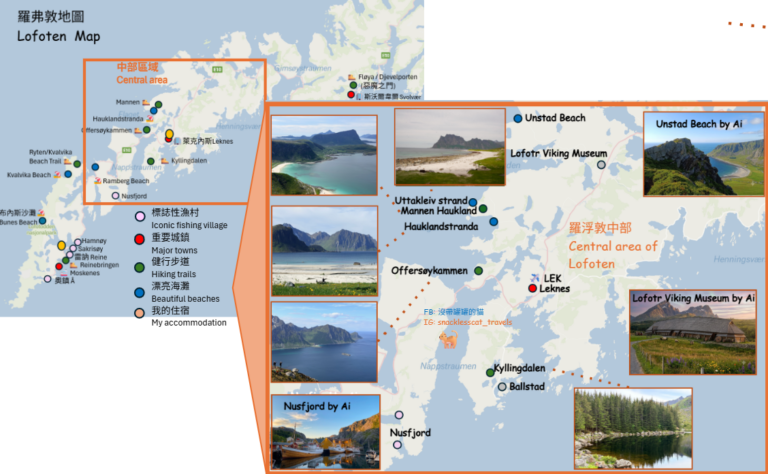
🟡 Please refer to the yellow dots on the map for accommodation locations.
👉 Further Reading:【挪威】羅弗敦群島不自駕住宿怎麼選?必備廚房洗衣機✨ – Hello world : )
🍽️ On Dining: Lofoten is a Feast for the Eyes, Not the Stomach
Restaurant costs in Lofoten are exceptionally high. To save money, our core strategy was
to cook almost all our meals and pack homemade lunches and snacks when heading out (averaging around 200 TWD per person per meal), which is a relatively economical alternative.
We only dined out once over the 9 days to experience the local fish soup (1,100 TWD per bowl)!
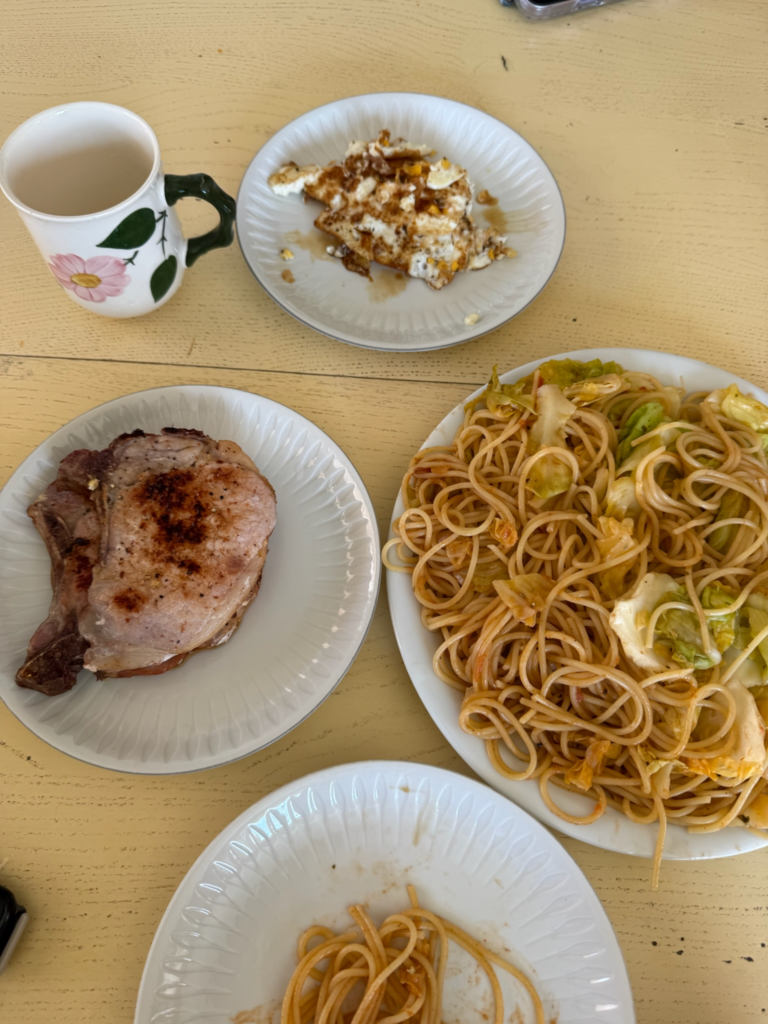
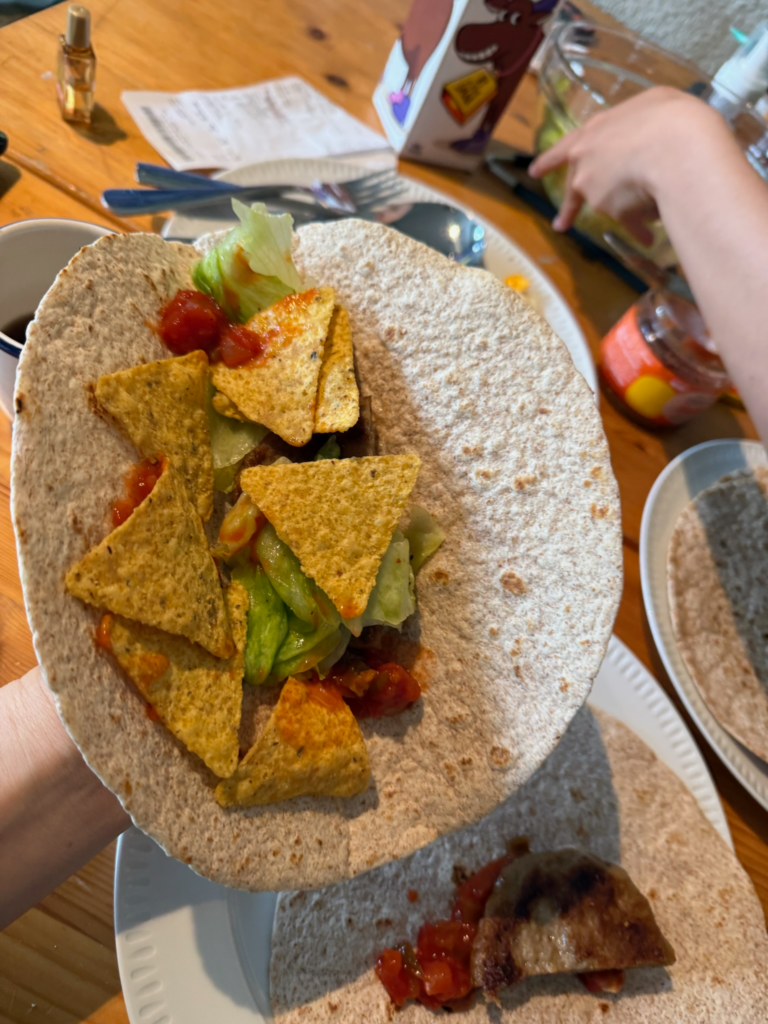
🛒 3 大住宿基地「超市採買指南」
Staying across three different bases this trip, supermarkets became our most vital life support systems.
Kvalvik bus stop(near Reine ):📍Coop Prix Reine
The only budget option around the Reine fishing village area is Coop Prix (which is roughly 10% pricier than REMA 1000 or Kiwi).
We bought some fresh vegetables and meats beforehand in Bodø and kept them on the ferry deck (acting as a natural refrigerator).
Leknes:REMA 1000, Kiwi
This is the commercial center of central Lofoten, so urban transit and supermarket runs are nothing to worry about!
Kabelvåg:📍 Extra Kabelvåg
We couldn't find affordable lodging directly in Svolvær, so we ended up in the small town ofKabelvåg .
which has a Coop Extra for convenient provisioning.
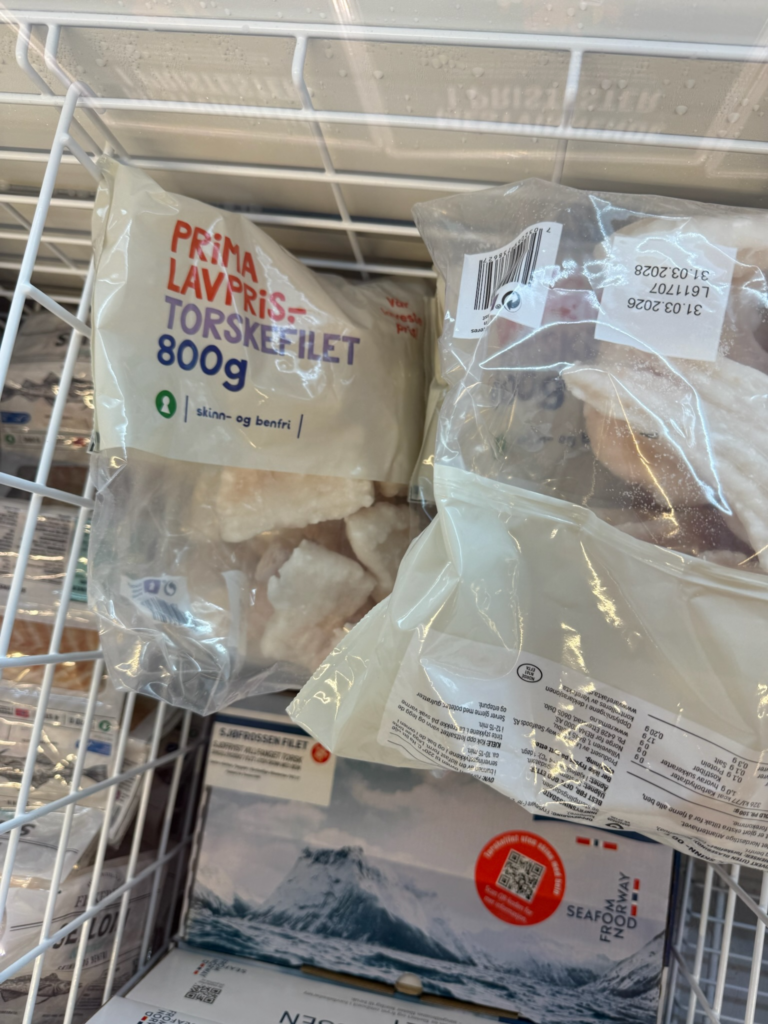
💰省錢機動午餐
Every day before heading out, we prepared homemade sandwiches and snacks to carry with us for lunch, enjoying them while sitting on a beach or atop a mountain peak.
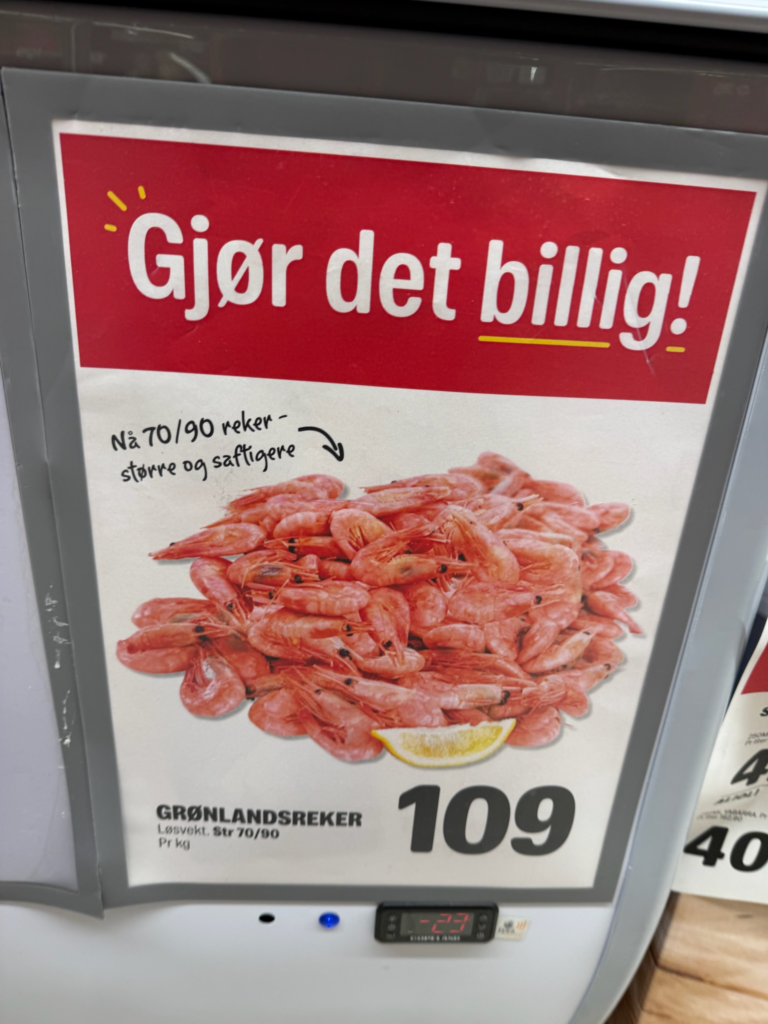
🦐 The Ultimate Provision: Fresh Arctic Sweet Shrimp (Ferske Reker)
Fresh Arctic Sweet Shrimp (Ferske Reker): When visiting supermarkets, it is highly recommended to buy fresh Arctic sweet shrimp by weight!
Arctic sweet shrimp are typically processed and flash-frozen immediately after being caught; they are ready to eat once thawed. The meat is incredibly sweet, crisp, and bouncy, making it a budget-friendly yet luxurious indulgence.
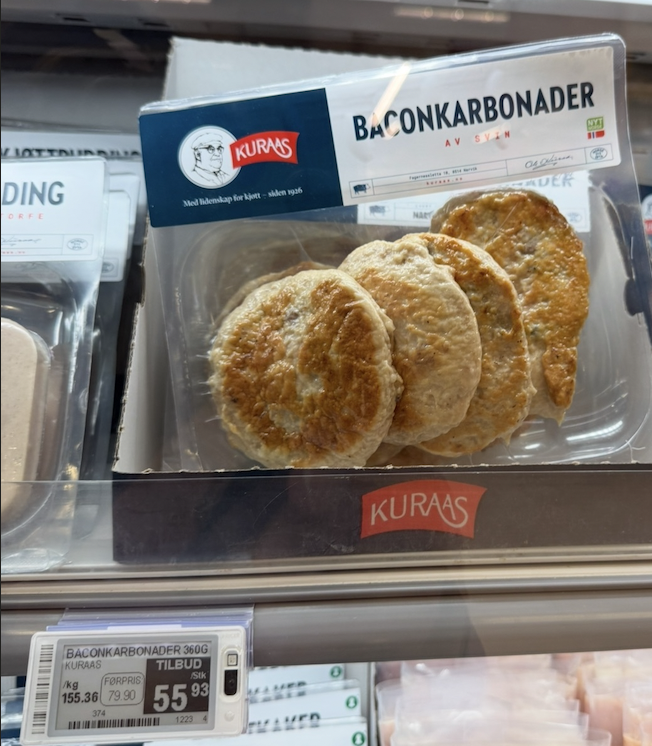
Additionally, Norwegian fish cakes are a must-try item—think of them as the "Nordic version of a fish burger patty." They have a dense texture and are packed with savory fish flavor.

🥣 A Must-Try in Lofoten: Piping Hot Norwegian Fish Soup (Fiskesuppe)
Though we cooked nearly all our meals to stick to our budget, Norwegian fish soup is an experience you cannot pass up.
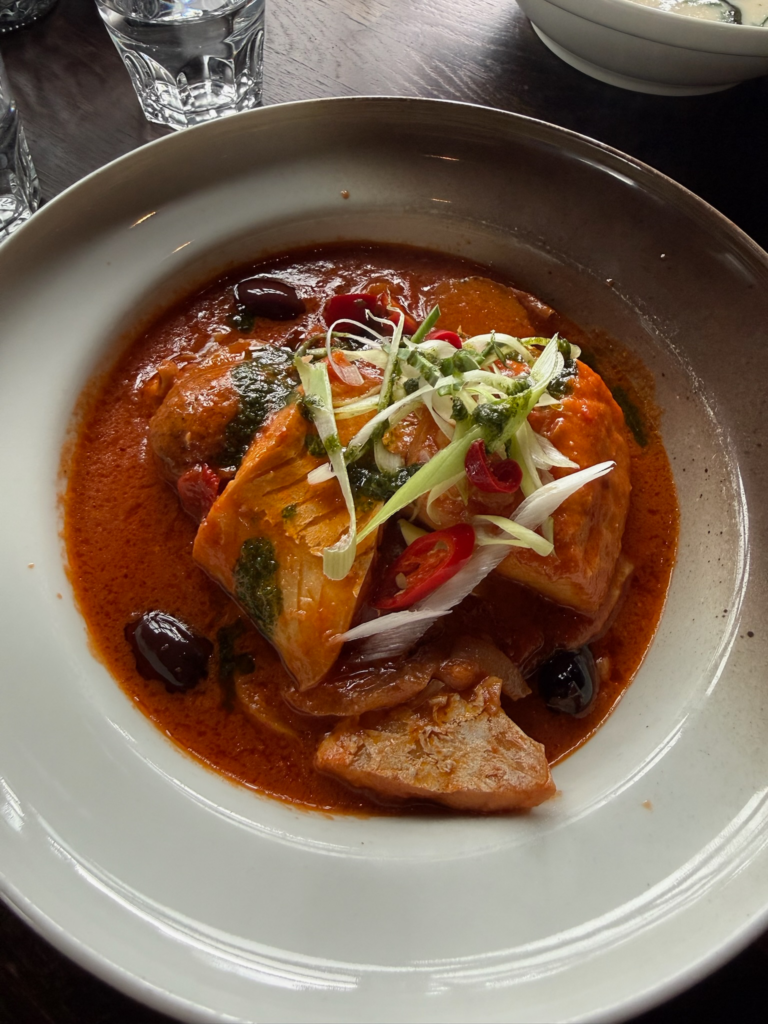
The creamy white broth, simmered with butter and heavy cream, is loaded with freshly caught salmon, cod, and sweet shrimp, served alongside freshly toasted, crunchy bread.
It is so rich and savory that it simply melts your soul—absolutely a worthwhile expense!
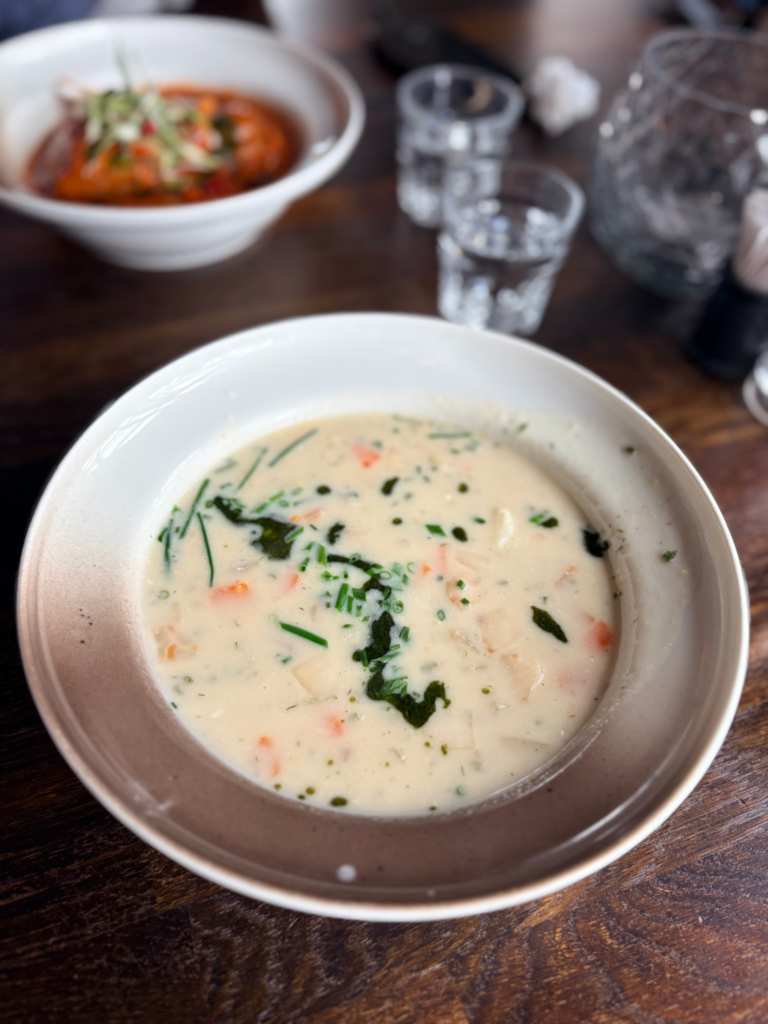
This time, two bowls of fish soup cost us roughly 2,200 TWD.
Estimating based on a standard Norwegian restaurant meal costing over 1,000 TWD per sitting, having lunch and dinner out for 8 days (even with just two restaurant visits) could easily push a couple's food expenses past 30,000 to 40,000 TWD.
By comparison, our grocery expenditures for cooking our own meals throughout the entire trip totaled around 9,024 TWD. Dining out is easily four times more expensive than self-catering!!!
😺 Final Thoughts
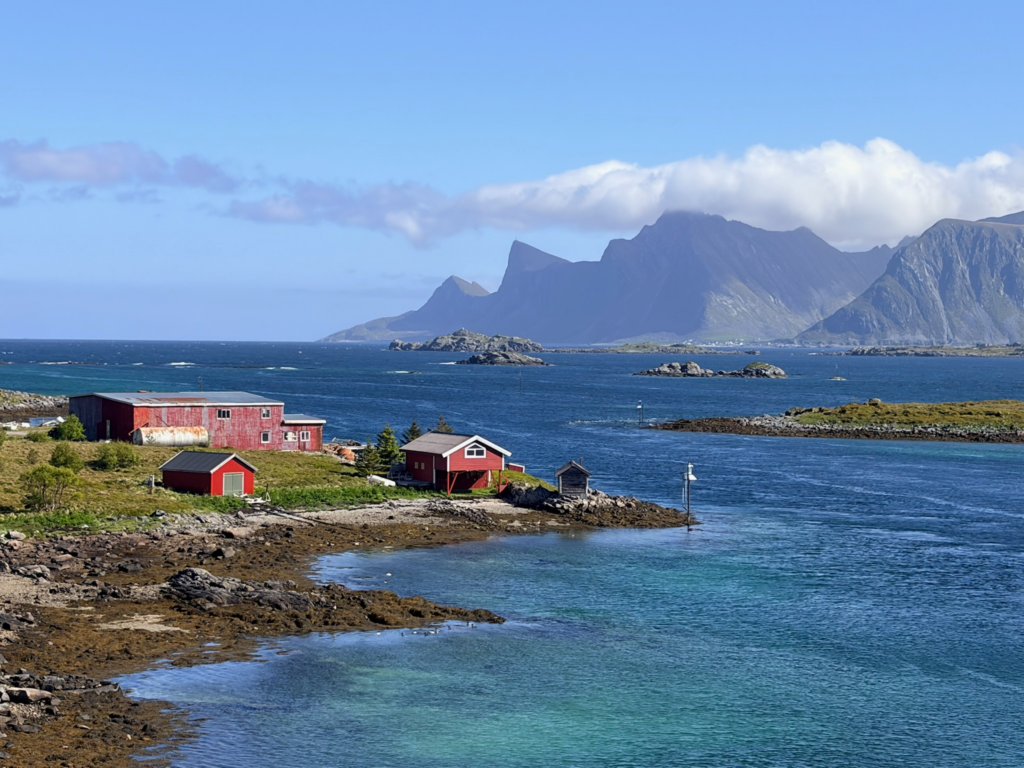
Final Thoughts: The beauty of the Lofoten Islands truly lives up to its reputation as a "dreamlike wonderland," though the exorbitant cost of living does admittedly give many people pause.
Based on our practical experience, adopting this approach allows you to complete a highly romantic and profoundly immersive polar journey on a relatively controlled budget!
To view our full 9-day itinerary breakdown:
👉 👉 [Lofoten 9-Day, 8-Night Non-Driving Complete Itinerary (Field-Tested Version)]
😽 Looking to find the guide you need quickly?
If you want to jump straight to articles regarding transportation, lodging, seasonality, hiking, or budgeting without digging through categories, you can read this directly:
🚪 [The Ultimate Lofoten Independent Travel Guide](A master directory to all guide entry points).
喜歡這篇文章或實用攻略嗎?歡迎支持我們!
🍥 請貓貓吃罐罐